Emergency managers plan for what others hope never happens. On-hand incineration capacity turns a disposal crisis into a checklist item.

Annexes cover shelter, communications, and debris — but animal mortality and biological waste disposal often reduce to a phone number that won't answer during a real event.
Disposal contractors serve everyone's emergency at once. Your contract doesn't jump their queue.
Neighboring jurisdictions face the same event — shared crisis means shared shortages.
Every day without disposal capacity, the public health problem compounds and the response cost climbs.
Post-event reviews repeatedly flag disposal as an unplanned gap. Fixing it after is expensive; planning it is cheap.
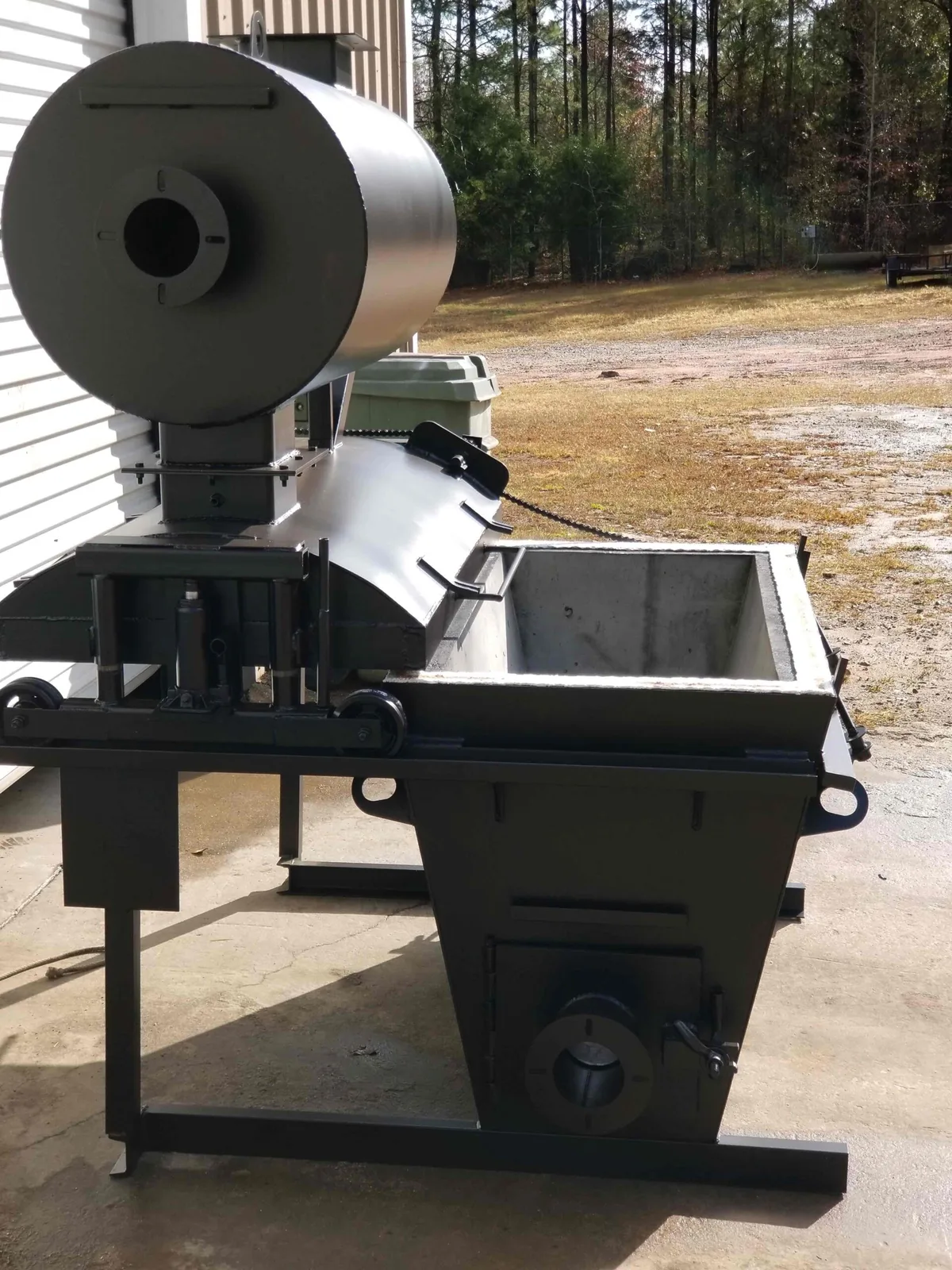
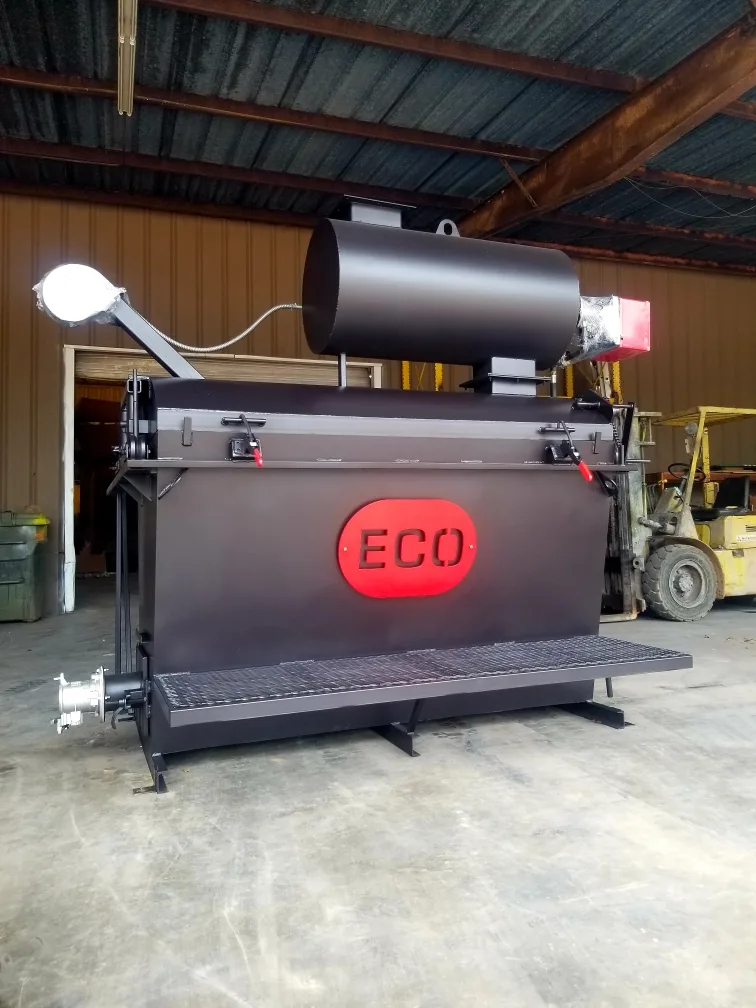
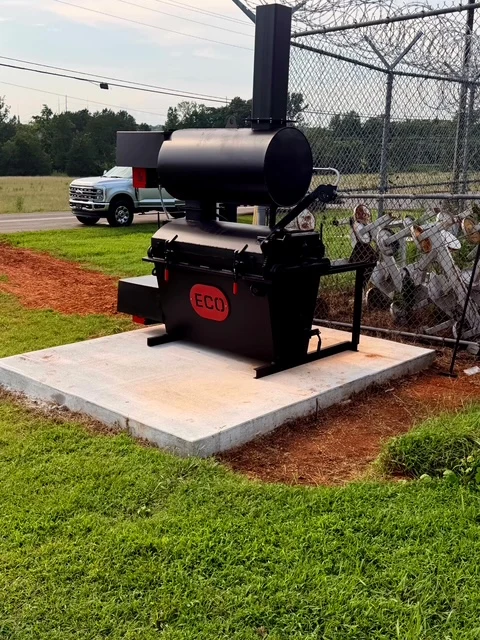
A mobile unit staged at public works is response capacity with zero activation delay.
One unit can serve animal control, the landfill, the sheriff's office, and disaster response across a whole county.
Preparedness and agriculture resilience grants regularly fund exactly this class of equipment.
A fixed asset your team can train on — not a contract clause you hope performs.