Rapid-Deployment Disposal Capacity

Disaster Response Incinerators

When storms, floods, and disease events overwhelm normal disposal, mobile incineration restores control — fast.

  • Trailer-mounted rapid deployment
  • Animal mortality surge capacity
  • Runs where infrastructure is down
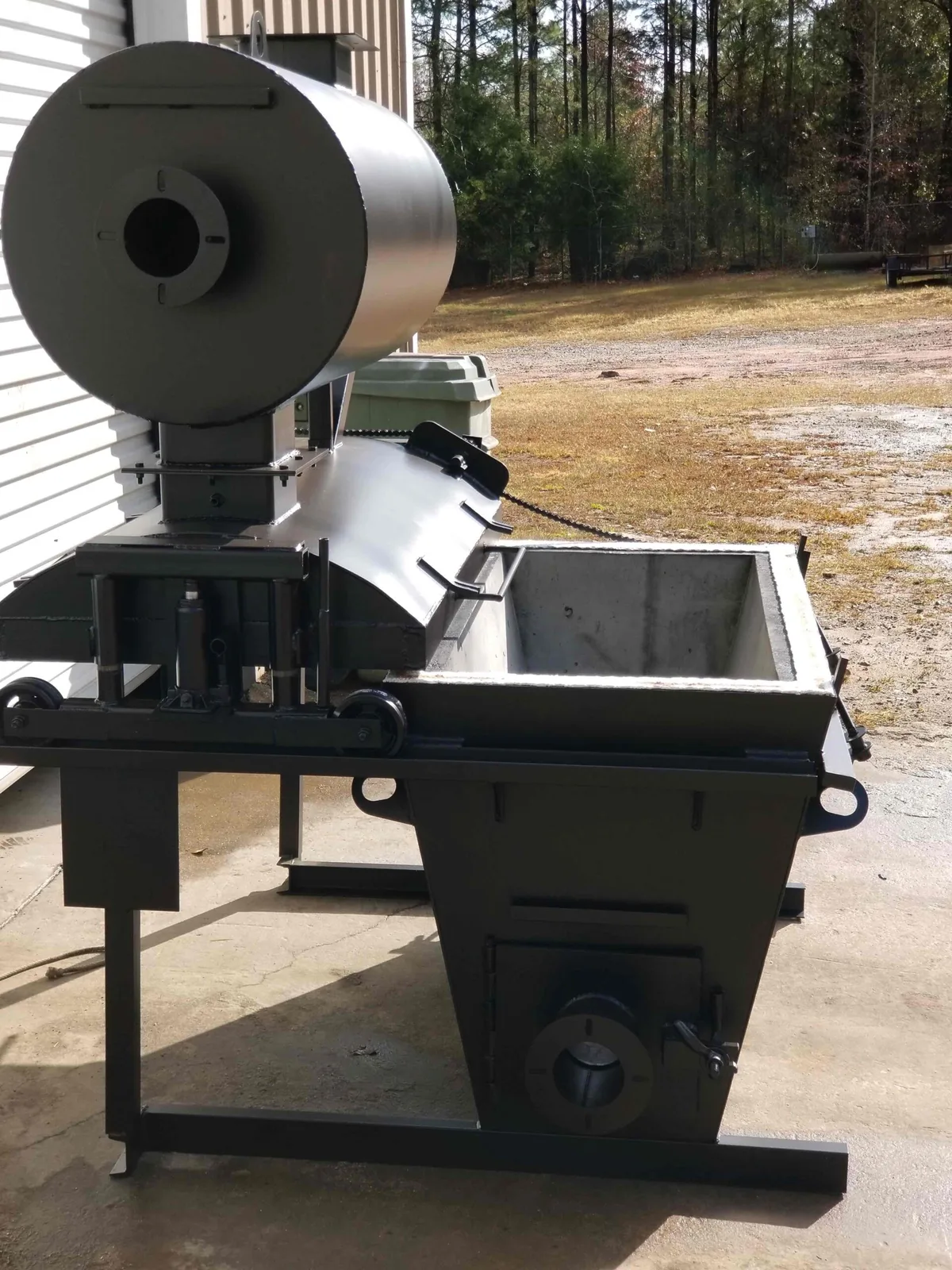
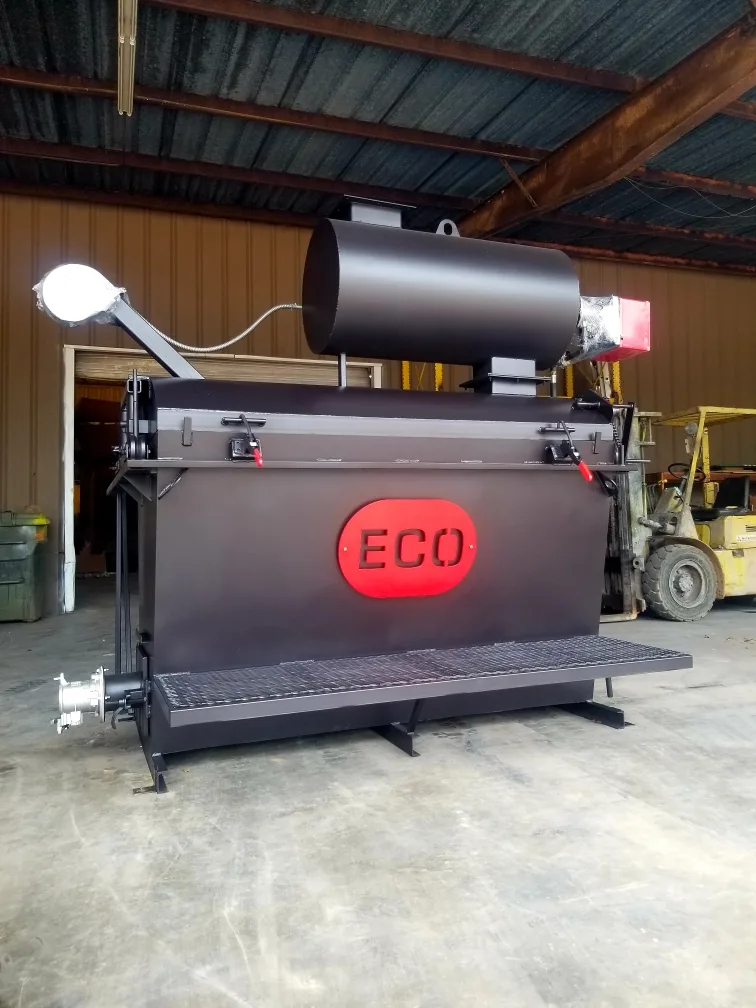
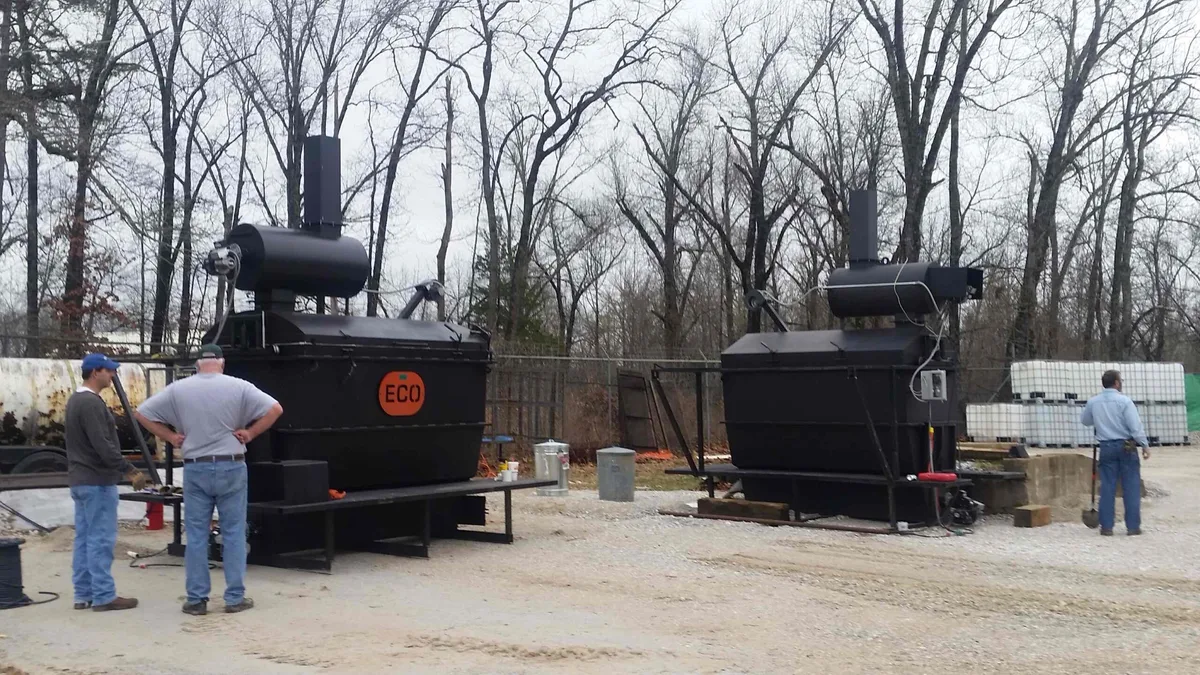
Disaster response incinerator for emergency animal disposal and debris
The Challenge

Disasters create disposal emergencies

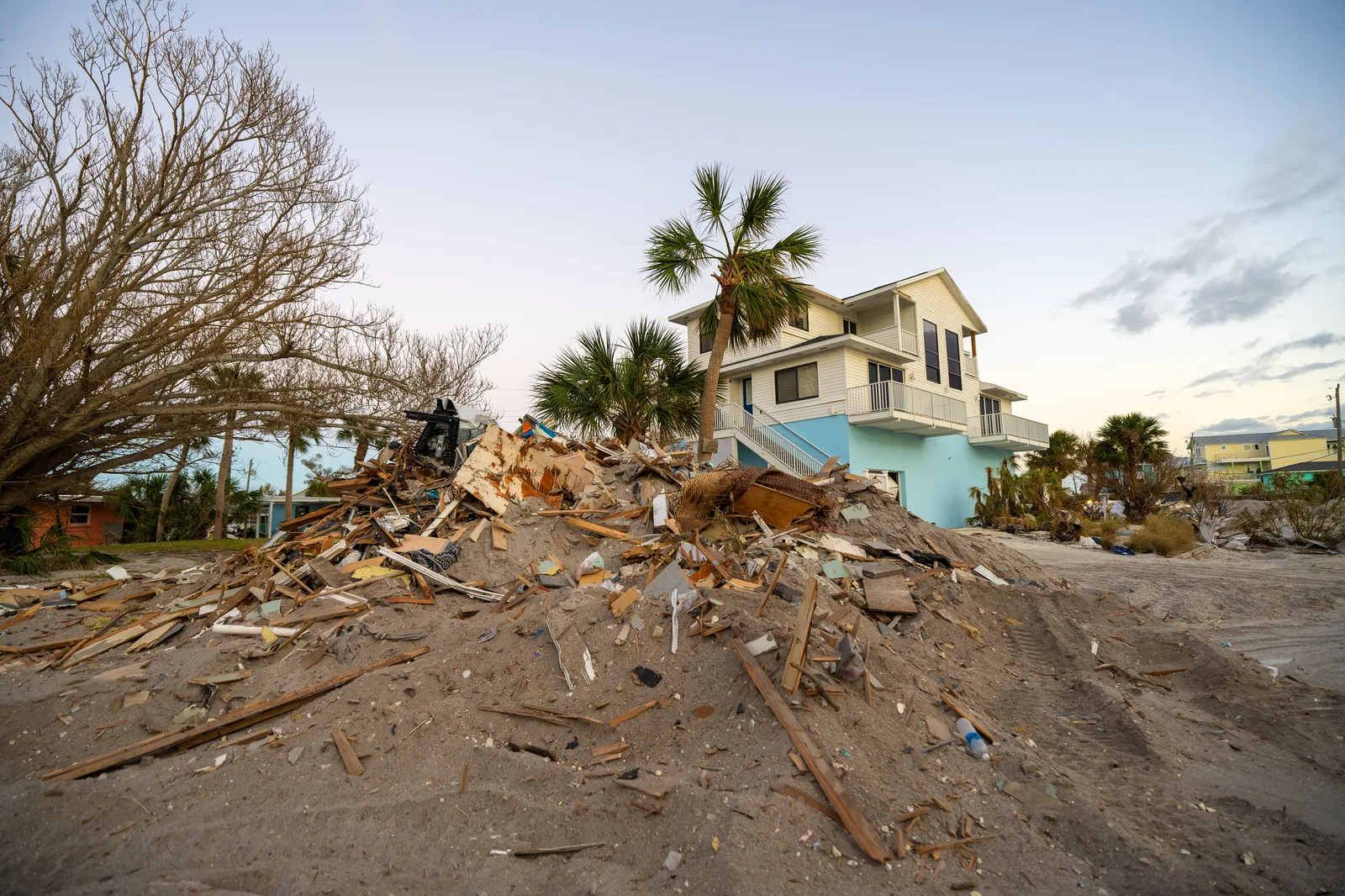
After the wind stops and the water recedes, the disposal problem is just beginning — and it can't wait.

Mass Animal Mortality

Hurricanes and floods kill livestock by the thousands. Decomposing carcasses become a public health crisis within days.

Broken Infrastructure

The rendering plants, landfills, and roads a normal disposal plan depends on may be days or weeks from operational.

Disease Amplification

Standing water plus carcasses equals disease vectors multiplying while response teams wait on logistics.

Federal Reimbursement Documentation

Emergency disposal must be documented to qualify for FEMA and USDA cost recovery.

The Solution

Capacity that arrives on a trailer

  1. Tow it to the scene

    Trailer-mounted units deploy behind a standard truck — capacity is on site the day it's needed.

  2. Off-grid operation

    110V generator power and diesel or propane fuel: no grid, no problem.

  3. Volume that scales

    Multiple units run in parallel during large events; fixed installations add base capacity.

  4. Documented destruction

    Burn logs support reimbursement claims and after-action reporting.

Recommended Equipment

Models matched to your operation

Trusted by operations across the country
Tyson FoodsU.S. Customs and Border ProtectionWashington Department of Fish and WildlifeArkansas Game and Fish CommissionMississippi Wildlife, Fisheries and ParksNorth Carolina A&T State UniversityUniversity of ArkansasTarleton State UniversityBoy Scouts of AmericaCity of Conyers Police DepartmentSavannah / Hilton Head InternationalAlbany Humane SocietyWillow Rock Pet Hospital
Common Questions

Disaster Response FAQ

How fast can a mobile unit deploy?
As fast as you can tow it. Units are trailer-mounted and run on generator power and common fuels.
Who typically buys for disaster response?
County emergency management agencies, state agriculture departments, and large producers building resilience into their operations.
Does documentation support FEMA claims?
On-site destruction with burn records provides clear documentation for reimbursement processes — far cleaner than emergency landfill contracts.

Ready before the storm.