Dairy Farm Incinerators for On-Site Livestock Mortality Disposal
On-site, biosecure destruction of dairy cattle mortality — protecting your herd, your land, and your operation from disease spread and rendering dependency across the Southeast USA.
On-Site Incineration for Dairy Farm Mortality Management
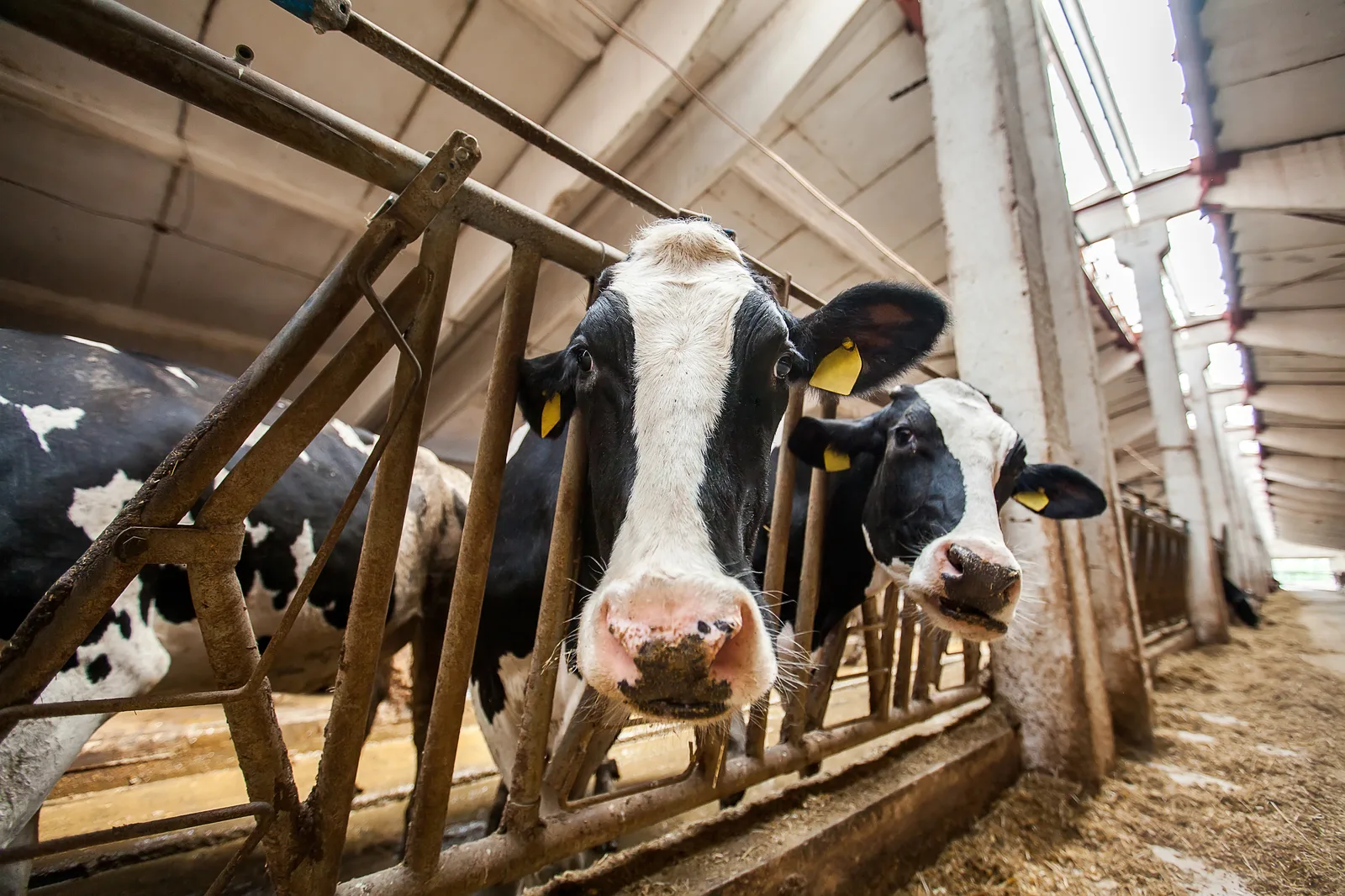
Dairy farming is one of the most operationally complex agricultural sectors in the Southeast — managing large animals around the clock, 365 days a year, with the mortality that comes with it. Cow losses from calving complications, disease, metabolic disorders, injury, and natural causes are a consistent reality for every dairy operation. How those carcasses are handled — and how quickly — determines your herd's biosecurity exposure, your regulatory compliance posture, and your farm's long-term operational cost.
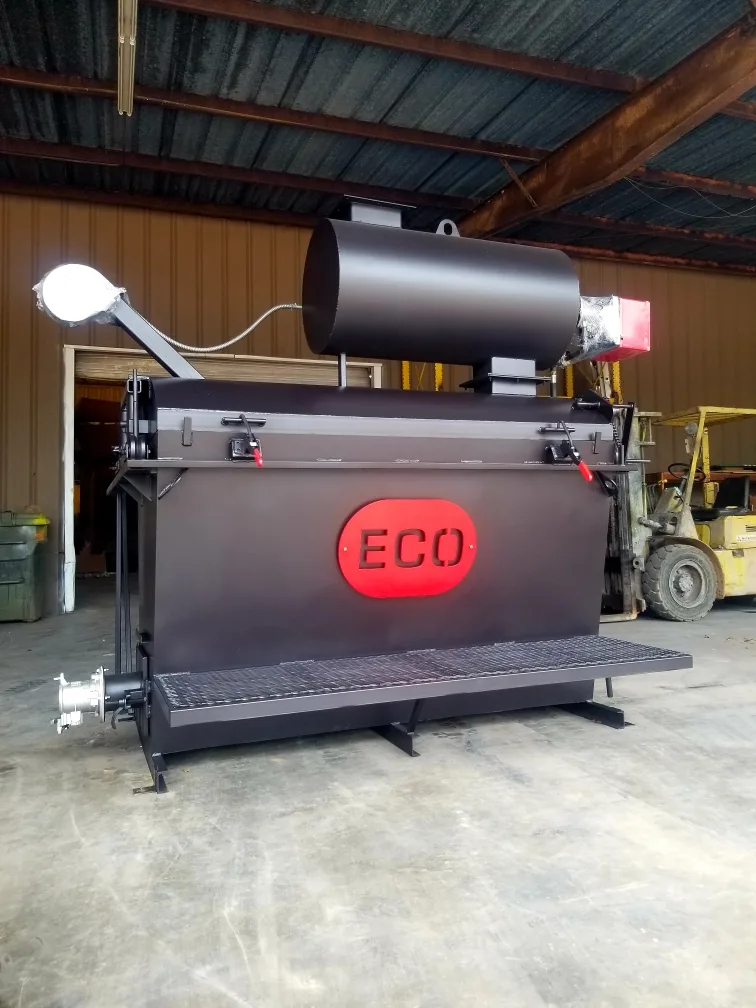
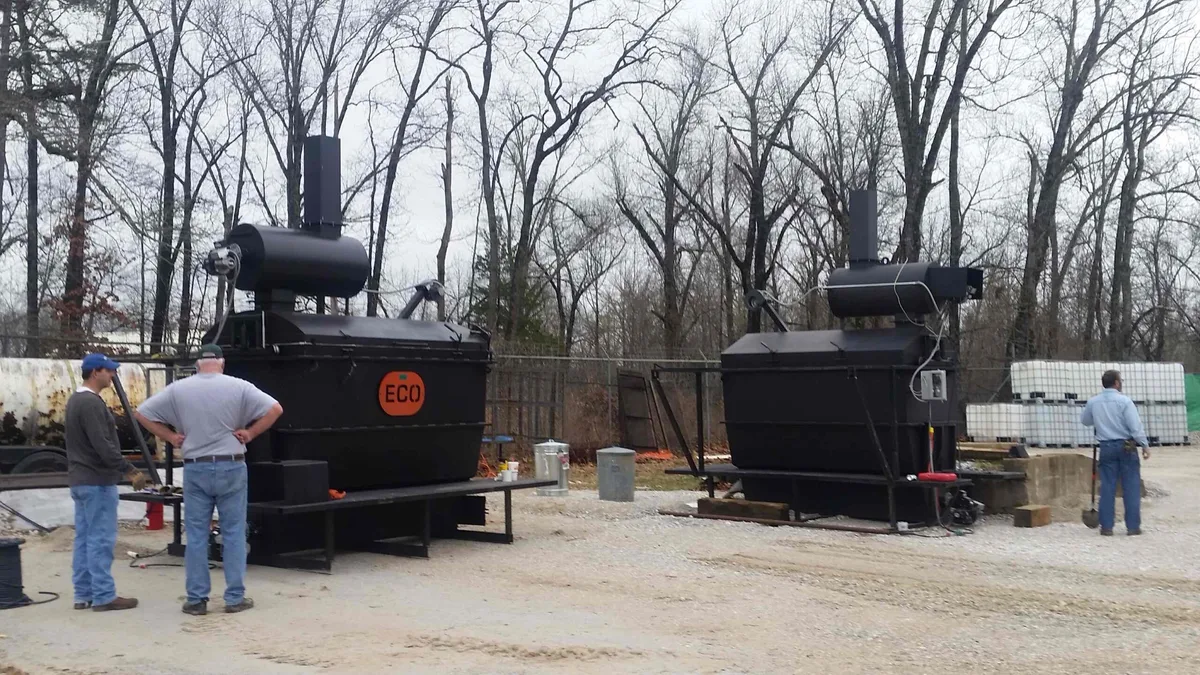
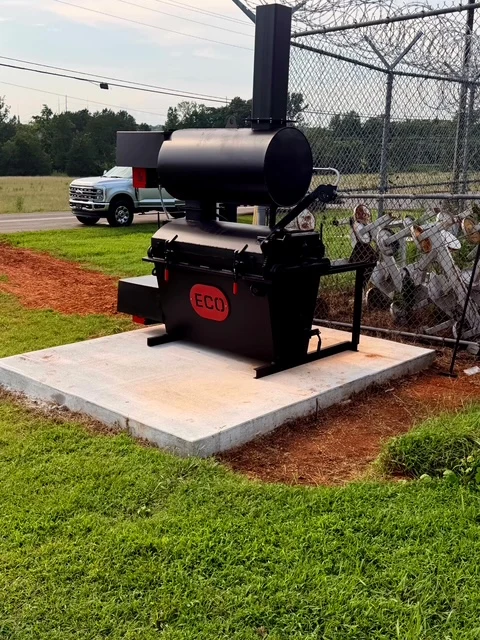
Eco Concept, Inc. manufactures industrial-grade incinerators designed for on-site dairy cattle mortality disposal. Farm operators across Tennessee, Florida, Georgia, Alabama, and the Carolinas use Eco Concept units to permanently destroy cattle carcasses on their property — same day, without rendering trucks, burial permits, or third-party service schedules that leave dead animals sitting on your farm for hours or days.
Large animal carcass disposal is a biosecurity and regulatory priority. On-site incineration eliminates the exposure window that waiting for rendering creates, destroys pathogens completely, and generates the documentation that state agriculture departments and herd health programs require.
The Real Cost of Off-Site Dairy Cattle Disposal
Dairy operations face a livestock mortality disposal challenge that combines size, biosecurity, regulatory compliance, and operational timing in a way that few other farm sectors experience.
Large Animal Disposal Is Time-Sensitive
A 1,200–1,500 pound dairy cow carcass cannot sit on your farm for long. Decomposition begins immediately, creating odor, attracting flies and scavengers, and releasing pathogens into the soil and surrounding environment. Rendering truck availability in rural Southeast dairy country is inconsistent — and waiting creates real biosecurity and neighbor relation problems.
Biosecurity & Disease Transmission Risk
Cattle mortality from infectious disease — including bovine respiratory disease, Johne's disease, and other herd health threats — represents a biosecurity risk that persists in the carcass. Inadequate disposal methods including burial and composting do not eliminate pathogens quickly or completely, creating ongoing soil contamination and potential spread to other animals on your operation.
State Agriculture Compliance
State agriculture departments across the Southeast have specific regulations governing cattle carcass disposal. Exposed burial, surface dumping, or delays in disposal can result in citations from Georgia, Florida, Tennessee, Alabama, North Carolina, and South Carolina agricultural authorities. Dairy operations with herd health program certifications face additional compliance scrutiny regarding mortality disposal documentation.
Rendering Costs & Service Limitations
Large animal rendering service in rural Southeast markets is expensive and increasingly unavailable. Per-head fees for dairy cattle can run $200–$500 per animal or more in remote areas. Calving losses add additional disposal events. Rendering dependency creates budget unpredictability and operational bottlenecks during high-mortality periods.
How Eco Concept Incinerators Solve Dairy Mortality Disposal
An Eco Concept dairy farm incinerator gives your operation the ability to destroy cattle mortality on your timeline — the same day, on your property, without rendering dependency or biosecurity gaps.
Same-Day Large Animal Disposal
Destroy dairy cattle carcasses the same day the animal dies — eliminating the exposure window that waiting for rendering creates. No overnight accumulation. No odor or scavenger attraction. Complete, immediate disposal that keeps your farm clean and your biosecurity intact.
Complete Pathogen Destruction
High-temperature combustion eliminates all bacteria, viruses, and disease-causing agents present in dairy cattle carcasses — including bovine respiratory disease pathogens, Johne's disease, brucellosis, and other infectious agents that survive in improperly disposed carcasses. Complete incineration is the most biosecure disposal method available for dairy operations.
Eliminate Rendering Dependency
An Eco Concept incinerator replaces your rendering contract with a one-time capital investment. For dairy operations losing 3–5% of herd annually to mortality — at $200–$500 per head in rendering fees — annual savings of $3,000–$15,000 or more are achievable depending on herd size. Payback periods of 3–7 years are typical for dairy operations of moderate size.
Calving Season Mortality Management
Calving season generates a concentrated period of elevated mortality from stillbirths, calving complications, and neonatal calf losses. An on-site incinerator handles this seasonal peak without the scheduling bottlenecks that rendering creates during high-demand periods — keeping your calving operation clean and biosecure through the entire calving cycle.
State Compliance Documentation
Generate disposal records for every mortality event — date, animal ID where applicable, disposal method — keeping your operation compliant with state agriculture department requirements across Georgia, Florida, Tennessee, Alabama, North Carolina, and South Carolina. Documentation is generated on-site and immediately available for state inspector or herd health program auditor review.
Incinerator Models for Dairy Farm Operations
Both models are engineered for large animal mortality disposal, with chamber dimensions and fuel systems designed for the realities of dairy production.
ECO 750
The ECO 750 is designed for dairy operations with smaller herds managing routine mortality disposal on a weekly or as-needed basis. It handles calves, stillbirths, and smaller adult cattle with consistent combustion performance. Well suited for family dairies, smaller commercial herds, and operations where individual carcass disposal is the primary need rather than high-volume events.
- Handles routine calf and adult cattle mortality disposal
- Suitable for small to mid-size dairy herd operations
- Compact design for on-farm installation
- Effective for calving season concentrated mortality events
ECO 1000
The ECO 1000 is the standard choice for large commercial dairy operations managing significant herd mortality volumes, calving season peaks, and large adult cattle carcass disposal. Designed for high-throughput, sustained operation, it handles the full range of dairy mortality — from neonatal calf losses through full-size cow carcasses — with the capacity and reliability that large herds require.
- High-capacity design for large herd mortality volumes
- Handles full-size dairy cow carcasses
- Sustained operation through calving season mortality peaks
- Built for large commercial dairy operational demands
Why Dairy Farmers Choose Eco Concept
Manufacturer Direct
Every Eco Concept incinerator is built in-house. Dairy farmers work directly with the manufacturer — full engineering support, no dealer markups, and direct access to the team that built your equipment.
Built for Agricultural Use
Our incinerators are designed for the outdoor Southeast farm environment — humidity, heat, dust, and consistent daily or weekly operational demands in agricultural settings.
Meaningful Long-Term Cost Savings
Dairy operations typically recover capital investment within 3–7 years through elimination of rendering contract fees. After payback, ongoing cost control for the operating life of the equipment significantly reduces long-term mortality disposal expense.
Understands Dairy Operation Realities
Our team understands the mortality profile of dairy operations — calving season peaks, herd health program compliance, the biosecurity standards of dairy cooperatives, and the state agriculture regulatory environment across the Southeast.
Active Across Southeast Dairy Regions
Eco Concept supplies dairy farm incinerators to operations across Tennessee, Florida, Georgia, Alabama, and the Carolinas — states with significant dairy industry presence and state-level mortality disposal regulations.
Reliable When You Need It
Dairy farms operate 365 days a year — and mortality disposal doesn't wait for business hours. Eco Concept's industrial construction and burner systems are built for reliable operation whenever your farm needs disposal.
Serving Dairy Farmers Nationwide — All 50 States & International
Eco Concept supplies dairy farm incinerators to livestock operations across all 50 states. Dairy production is nationwide — from the major dairy states of Wisconsin, California, New York, and Idaho to the growing operations in the Southeast and Southwest. Every dairy operation, regardless of herd size or state, faces the same regulatory requirement: compliant, timely livestock mortality disposal.
Eco Concept works with dairy farm managers, cooperative members, and herd health program participants across the country to provide equipment that meets their disposal needs and complies with applicable state agriculture department regulations. We provide technical documentation to support permitting discussions with any state agriculture or environmental agency, and we ship and install nationwide.
Whether you operate a 100-cow family dairy in Tennessee, a 5,000-cow commercial dairy in California, or a cooperative operation in Wisconsin, Eco Concept has the model and experience to support your mortality disposal program. We also supply incinerators to international dairy operations worldwide.
States & Regions We Serve
Frequently Asked Questions
Can an Eco Concept incinerator handle full-size dairy cow carcasses?
Yes. The ECO 1000 is specifically designed to handle full-size adult cattle including large dairy cows. During consultation, we discuss carcass size, loading configuration, and disposal frequency to ensure the right model and setup for your herd's needs. For operations primarily managing calf and smaller animal mortality, the ECO 750 may be appropriate — we help you match the right model to your operation's actual mortality profile.
How does on-site incineration protect against disease spread in my dairy herd?
Cattle carcasses from animals that died from infectious disease remain a source of pathogen exposure — to living animals, to soil, and to wildlife that may contact the carcass. Burial and composting do not eliminate pathogens quickly, particularly in the wet, humid conditions common to the Southeast. Complete combustion at 1,400°F+ eliminates all bacterial, viral, and infectious agents immediately and completely — protecting your living herd from exposure to pathogens that survive in improperly disposed mortality.
What does state compliance look like for dairy farm mortality disposal in the Southeast?
State agriculture departments across the Southeast — Georgia, Florida, Tennessee, Alabama, North Carolina, and South Carolina — each maintain specific requirements for livestock carcass disposal on farm properties. Requirements typically address disposal method, timeline between death and disposal, soil and water protection, and documentation. On-site incineration satisfies these requirements across all Southeast states, and the disposal records generated by your incineration events serve as compliance documentation for state inspector review. Eco Concept provides technical support for permitting discussions with your specific state authority.
How does calving season affect my mortality disposal needs?
Calving season typically represents the highest concentrated mortality period for most dairy operations — stillbirths, calving complications, neonatal calf losses, and cow losses related to calving stress and metabolic disorders all peak during this period. On-site incineration handles this surge without rendering scheduling bottlenecks or accumulation concerns. We discuss your calving season volume during consultation to ensure your selected model has the capacity to handle peak periods without operational delays.
What is the typical return on investment for a dairy farm incinerator?
ROI depends on your herd size, mortality rate, and current rendering or disposal costs. As a general framework: a 300-cow dairy with a 5% annual mortality rate (15 cows) at an average rendering cost of $300 per head spends approximately $4,500 annually on disposal. An ECO 750 investment at approximately $25,000–$35,000, with minimal operating costs, would achieve payback in 6–8 years — with decades of ongoing savings thereafter. Larger herds with higher mortality volumes or higher rendering costs achieve faster payback. Contact our team for a customized estimate based on your herd size and current costs.
Ready to Eliminate Your Dairy Farm's Rendering Dependency?
Eco Concept incinerators give dairy farmers complete control over large animal mortality disposal — no haulers, no waiting, no regulatory uncertainty.
Agricultural Incinerators → Dairy Farm Incinerators