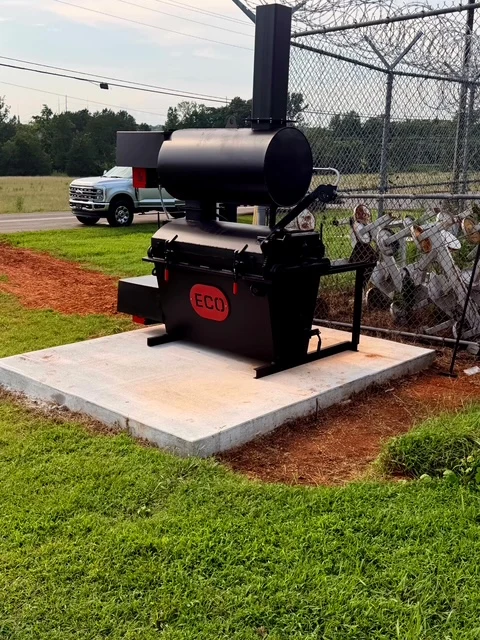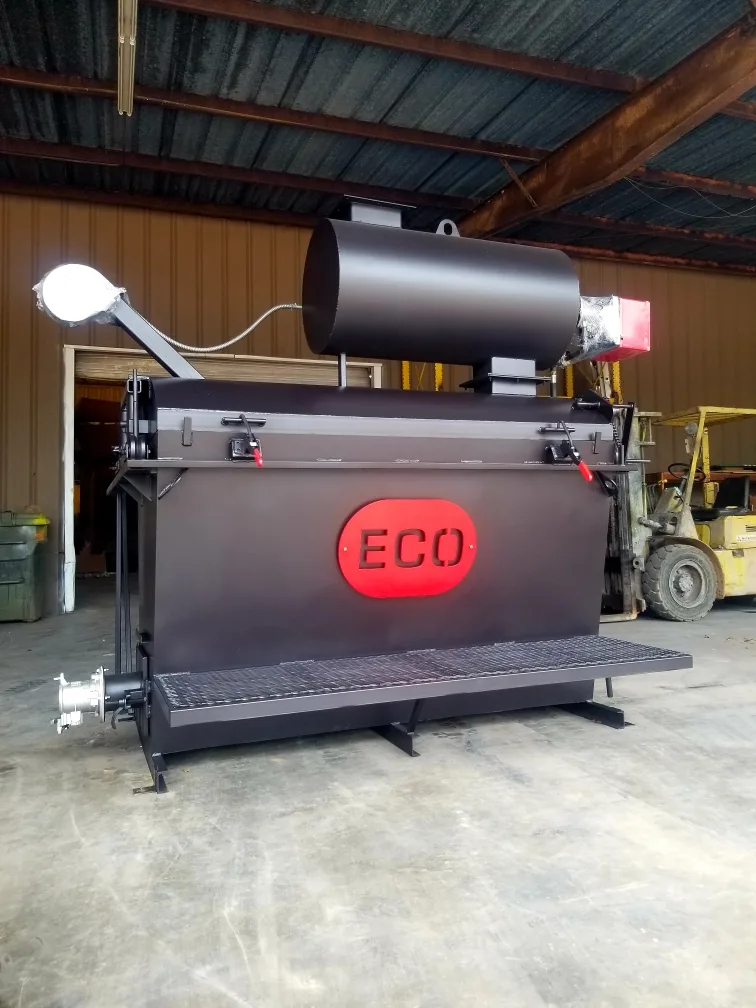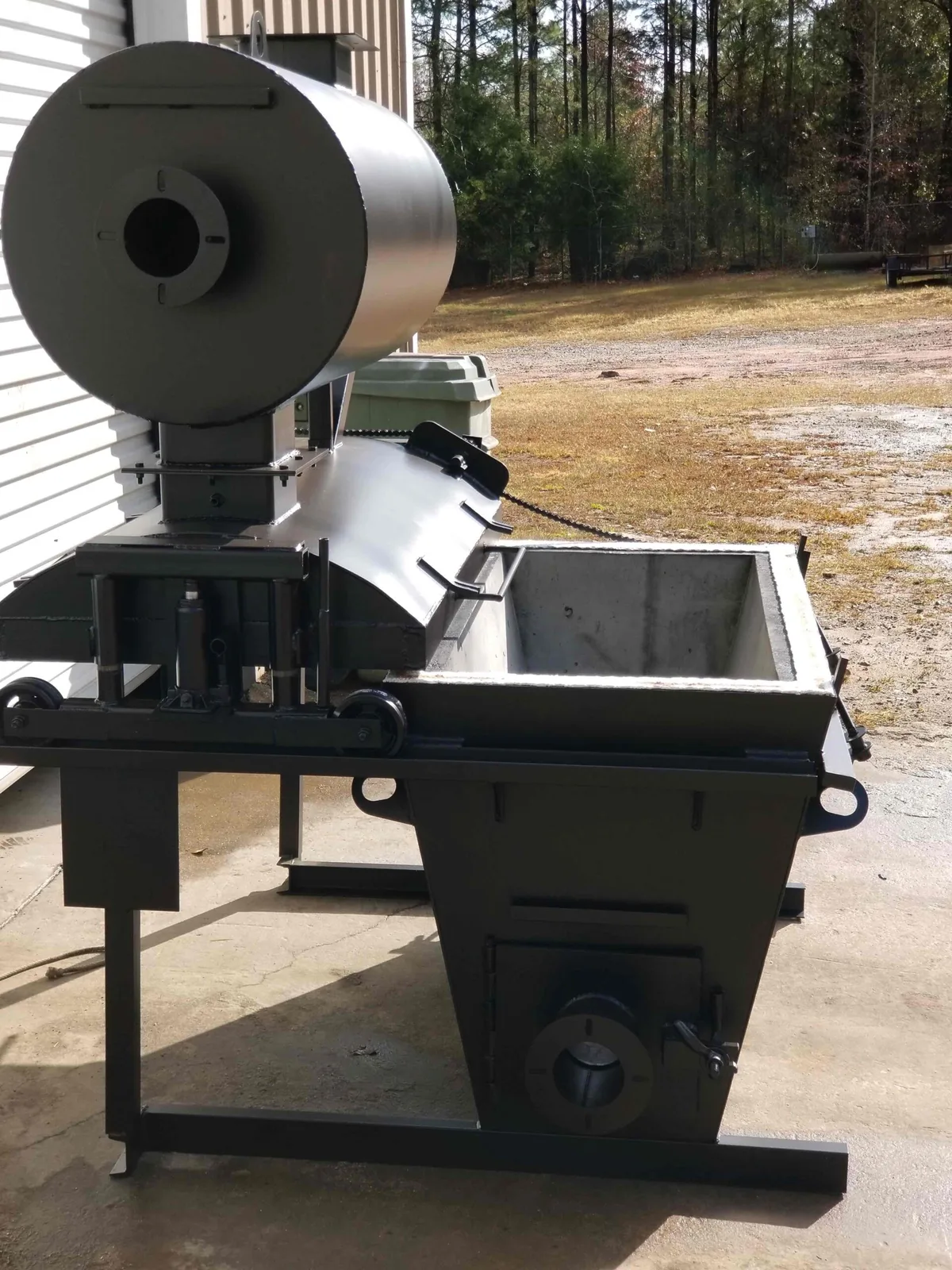
When a court orders destruction, the process must be documented, witnessed, and final. On-site incineration gives courts and clerks exactly that.

Evidence rooms overflow while destruction orders queue behind vendor schedules — and every day of delay is custody risk.
Adjudicated cases leave drugs, weapons cases, and records that must go — but vendor scheduling keeps them on your shelves.
Third-party destruction means evidence leaves court control. Any gap invites challenge and audit findings.
Expunged and sealed materials require destruction you can certify — not a shredding truck's word.
Evidence audits repeatedly flag aged, undestroyed holdings. A standing destruction process closes the finding.
Clerk, officer, and custodian witness the destruction start to finish — on government property.
1,400°F+ destruction leaves nothing recoverable, supporting certificates of destruction courts accept.
Standing weekly or monthly burn days keep evidence rooms current instead of crisis-driven.
The same unit serves sheriff and police drug destruction — one asset for the whole justice system.