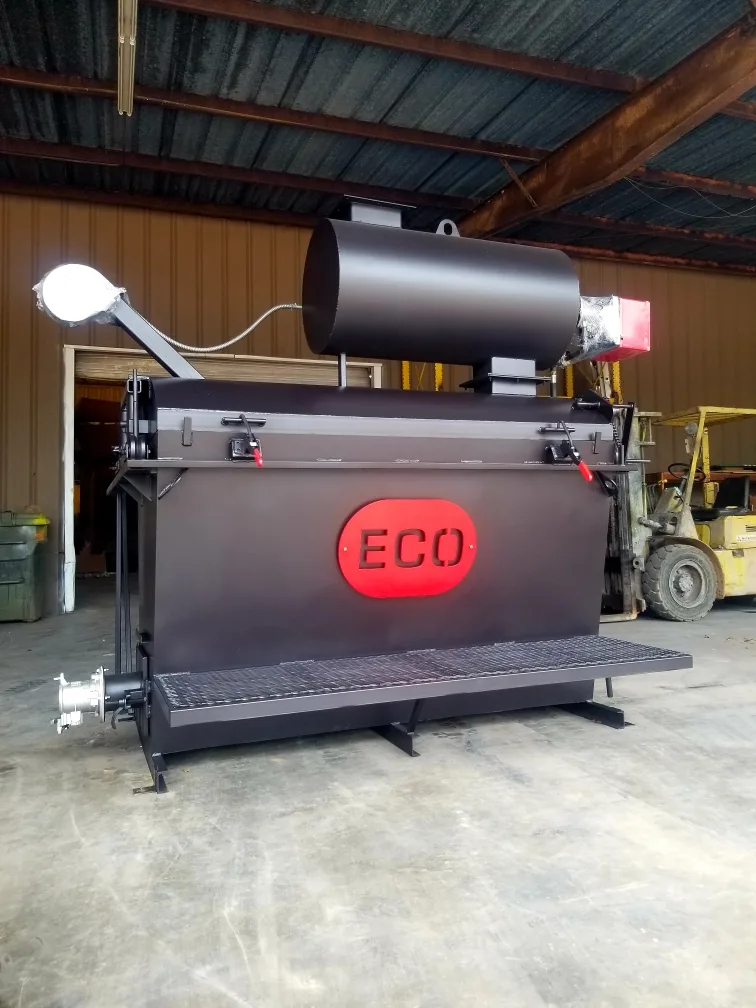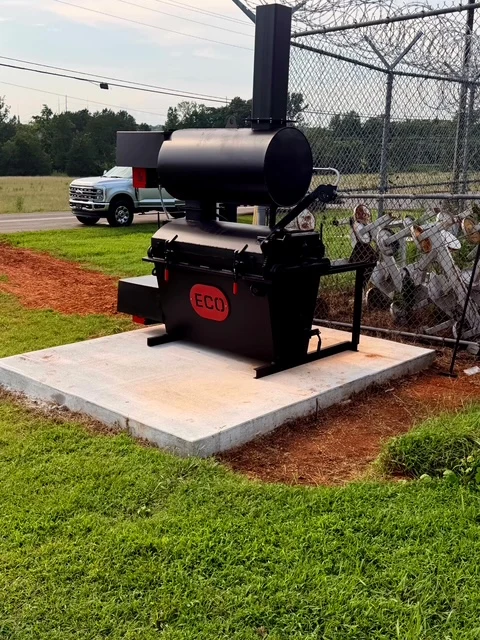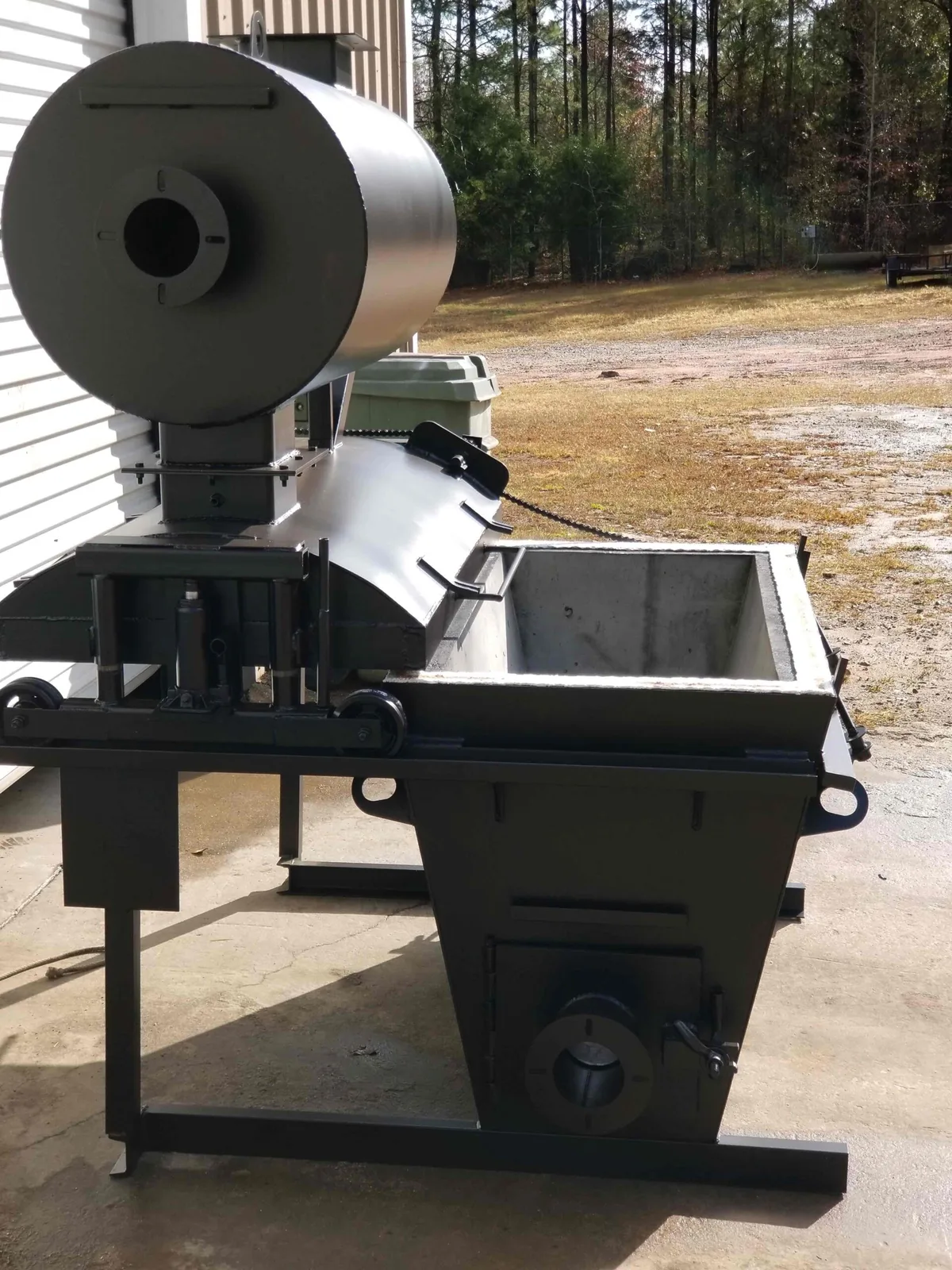
One county-owned incinerator serves animal control, the sheriff's office, emergency management, and public works — a single asset with four budgets' worth of value.

Animal control pays per-animal fees. The sheriff contracts evidence destruction. The landfill turns away carcasses. EMA has a gap in the annex. It's all the same missing asset.
Each department separately paying disposal vendors adds up to more than a unit costs — every few years, forever.
Many counties sit outside practical service range for rendering and destruction vendors entirely.
Outsourced evidence destruction and undocumented carcass disposal both carry liability a county-owned process eliminates.
When a disaster hits, counties without owned capacity wait in the same vendor queue as everyone else.
Site it at public works or the landfill; every department schedules against one asset.
DEA-compliant drug and evidence destruction without leaving county custody.
Daily shelter and roadkill disposal replaces per-animal vendor fees.
The same unit is surge capacity the day a storm, flood, or disease event arrives.