Respectful Disposal for Shelters & Animal Control

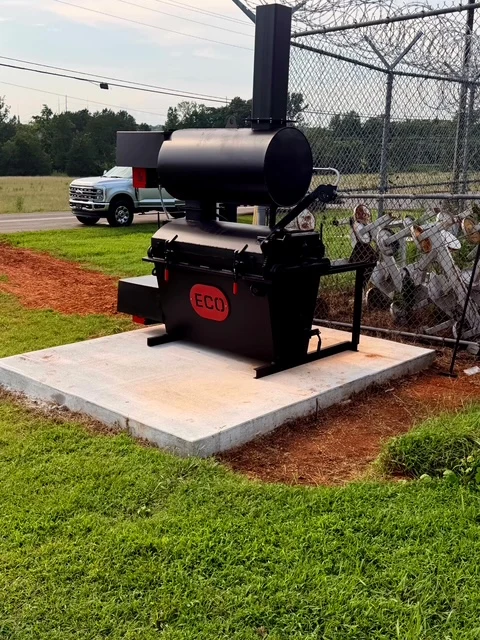
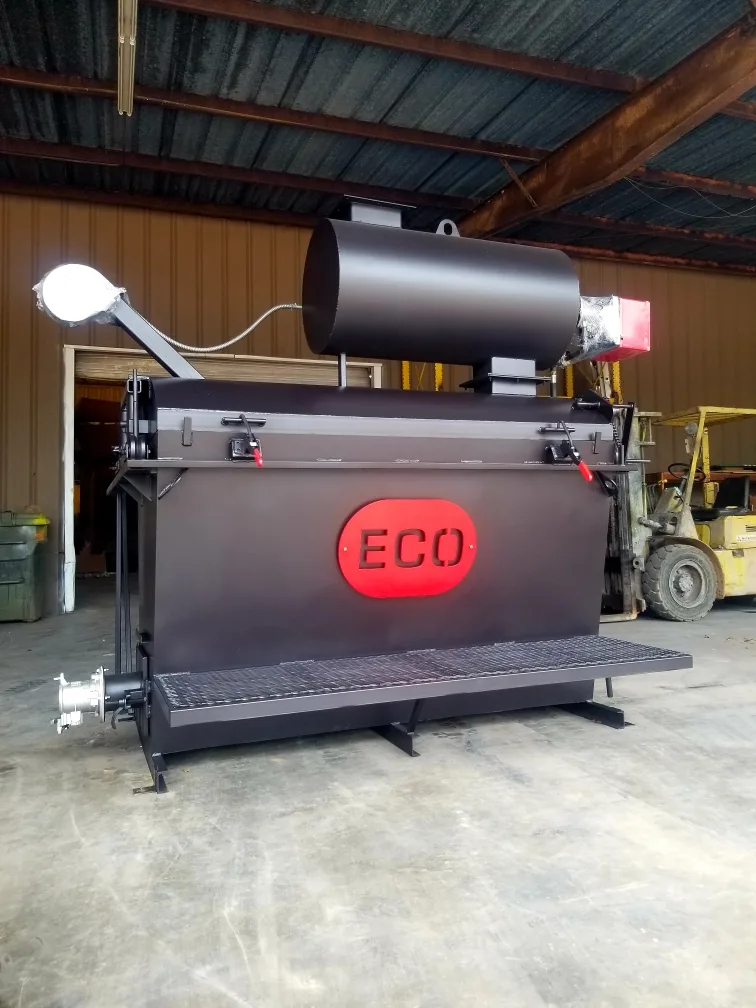
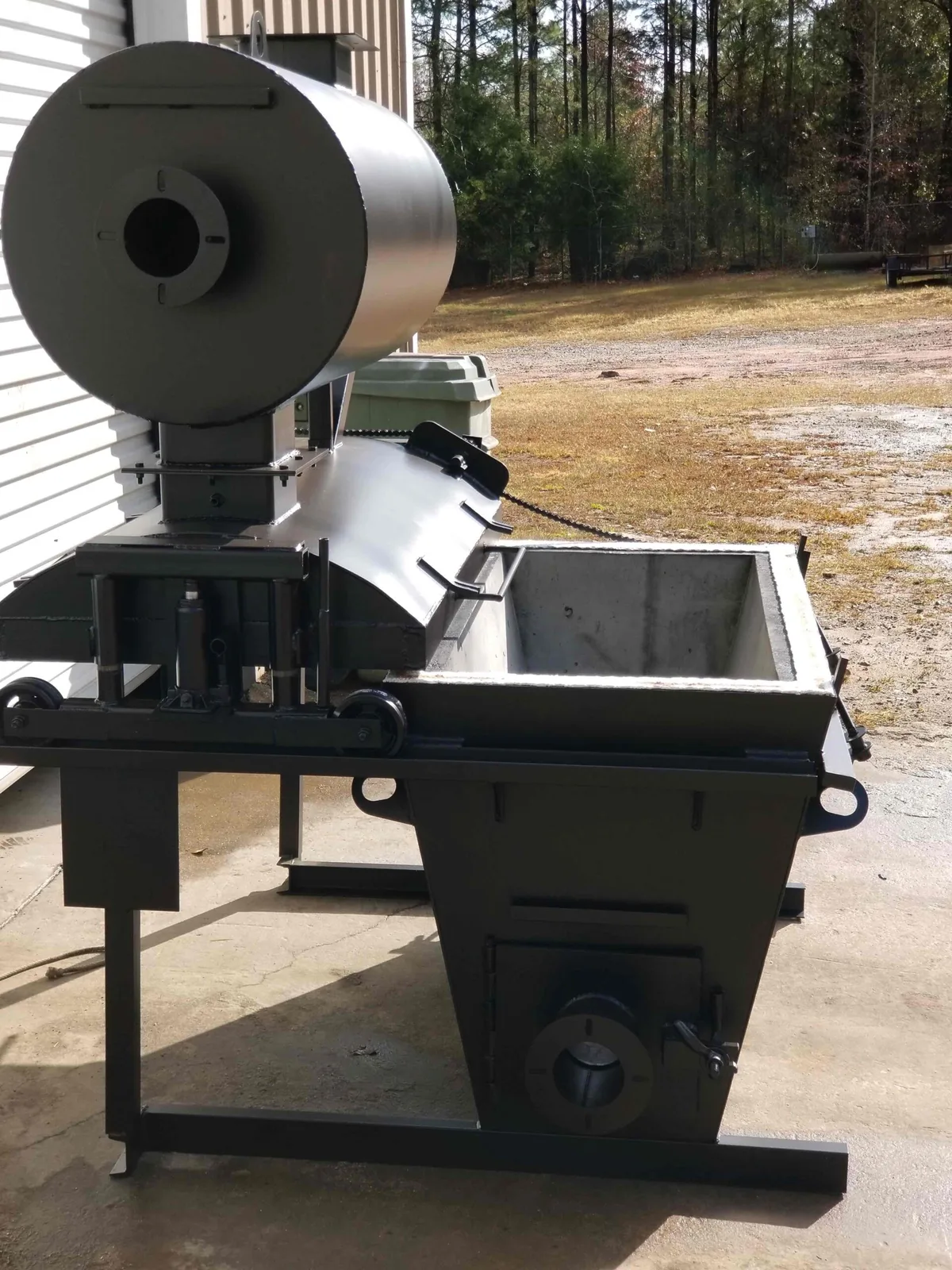
Animal Shelter Incinerators

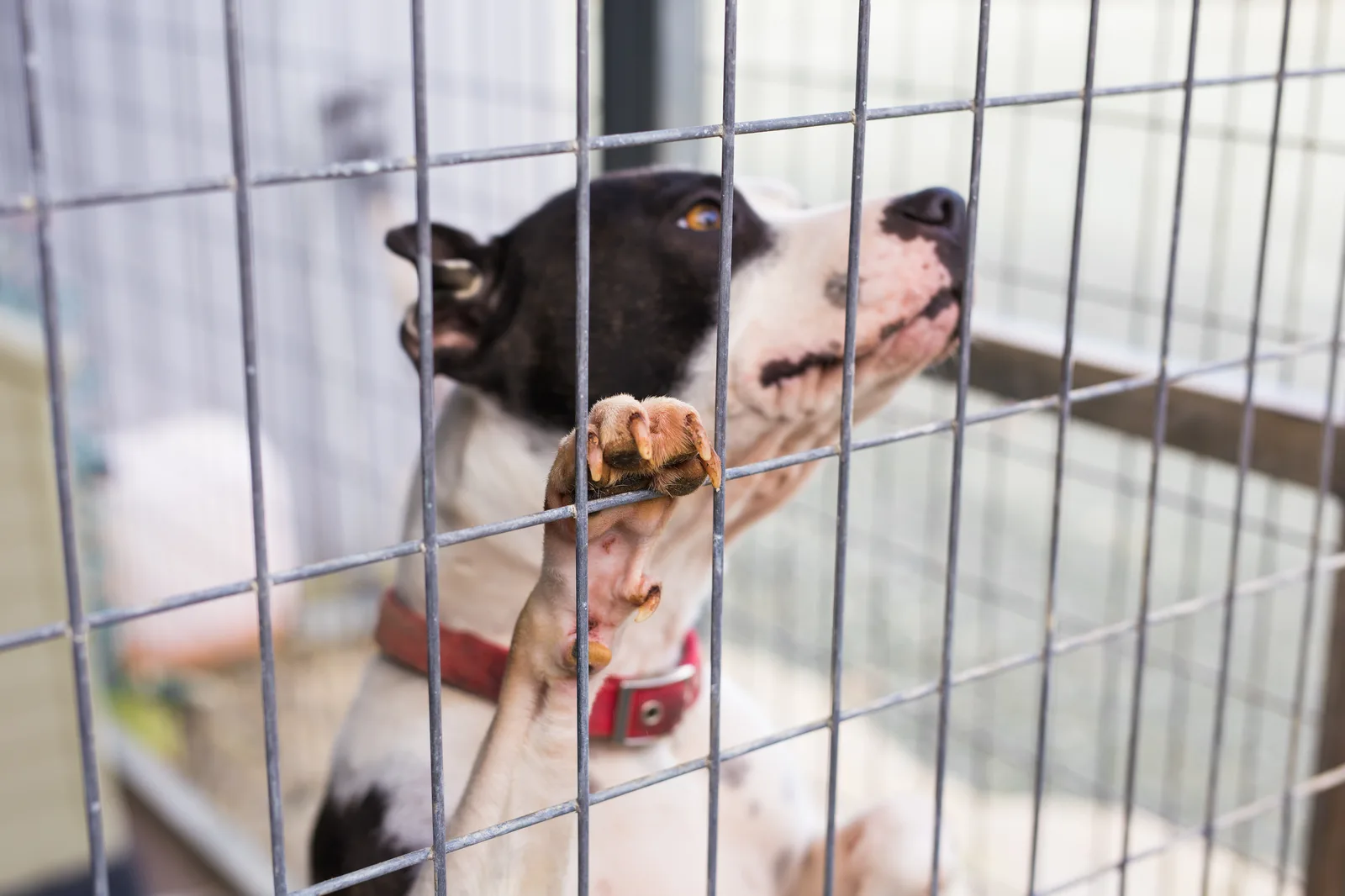
Municipal shelters and humane societies handle disposal no one else will. On-site incineration makes it dignified, biosecure, and budget-predictable.

  • Municipal budget-friendly
  • Parvo & distemper biosecurity
  • Trusted by shelters like Albany Humane Society
Animal shelter incinerator for humane societies and animal control
The Challenge

Shelter disposal is a public trust

Between disease control, tight budgets, and public scrutiny, shelters need a disposal answer that just works.

Disease Control

Parvovirus and distemper persist on surfaces and in remains. Off-site transport of infected remains extends the risk chain.

Per-Animal Vendor Costs

Contract disposal fees scale with intake — the busiest (and hardest) months cost the most.

Freezer Dependence

Cold storage while awaiting pickup consumes space, power, and staff time every single week.

Public Accountability

How a shelter handles remains reflects on the whole organization. A controlled in-house process protects that trust.

The Solution

A humane operation, start to finish

  1. In-house control

    Remains are handled by your staff, on your grounds, with your standards — never a third party's.

  2. Break the disease chain

    Same-day incineration of infected remains removes a persistent pathogen source from the facility.

  3. Predictable budgeting

    Replace open-ended per-animal fees with a fixed capital cost and modest fuel spend.

  4. Right-sized units

    From an ECO-250 at a county shelter to a 1000 at a high-intake municipal facility.

Recommended Equipment

Models matched to your operation

Trusted by operations across the country
Tyson FoodsU.S. Customs and Border ProtectionWashington Department of Fish and WildlifeArkansas Game and Fish CommissionMississippi Wildlife, Fisheries and ParksNorth Carolina A&T State UniversityUniversity of ArkansasTarleton State UniversityBoy Scouts of AmericaCity of Conyers Police DepartmentSavannah / Hilton Head InternationalAlbany Humane SocietyWillow Rock Pet Hospital
Common Questions

Animal Shelters FAQ

What size does a county shelter need?
Intake volume drives sizing: many county shelters run an ECO-250 or 500; large municipal operations move up to the 750 or 1000.
Is this within a municipal budget?
Most shelters find the unit pays for itself against contract disposal fees within a few budget cycles — and grant funding often applies.
What about emissions near neighborhoods?
The dual-chamber, high-temperature design burns cleanly. We'll help you with siting guidance and local requirements.

Dignity, in-house. Every time.